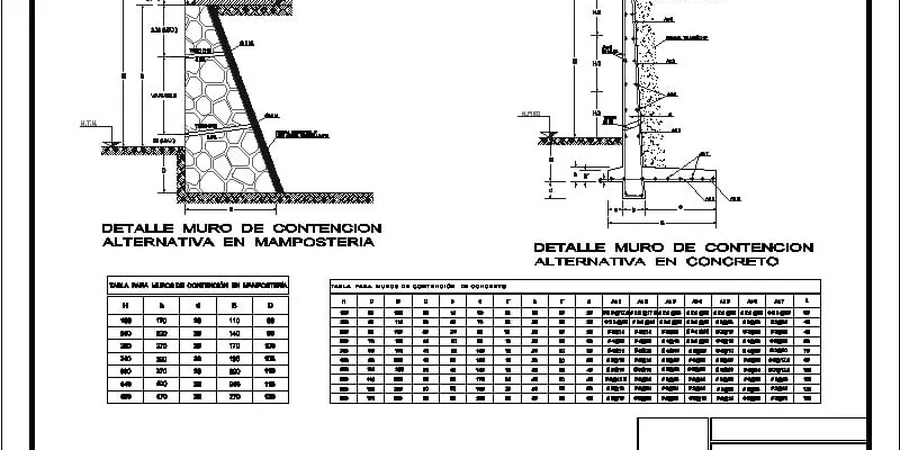
The National Building Code of Canada (NBCC) sets a high bar for geotechnical design, and for good reason. Longueuil sits on a mix of Champlain Sea clays and glacial till, a profile that can make even a moderate retaining wall a serious engineering exercise. When a project is within the 45.5th parallel, the freeze-thaw cycles add another layer of complexity that a generic design won't handle. Our team brings this local ground experience to every retaining wall design, ensuring the structure works with the soil, not against it. From initial test pits to verify the stratigraphy at your site, through to the final reinforcement schedule, we focus on delivering a design that the city will approve and the contractor can build without surprises.
A properly designed retaining wall in Longueuil isn't just about resisting lateral earth pressure — it's about managing water and freeze-thaw cycles for the long term.
Local considerations
The contrast between Longueuil's wet spring thaw and the deep frost of January creates a relentless test for retaining walls. Water gets behind the wall, freezes, expands, and if the drainage system isn't perfectly executed, you'll see cracking and rotation within a few seasons. The Champlain Sea clay adds another risk: it's prone to remolding and can lose significant strength if water infiltrates the excavation during construction. Our retaining wall designs always specify a solid drainage system — typically a perforated pipe at the base, wrapped in clear stone and filter fabric — and we inspect the backfill compaction personally. Skipping the drainage detail is the most common reason we see walls in the area need expensive repairs, and it's entirely avoidable with a design that prioritizes hydrostatic pressure relief from day one.
Frequently asked questions
What’s the typical budget range for a retaining wall design in Longueuil?
For a standard residential or light commercial retaining wall, the engineering design typically falls between CA$1,560 and CA$5,600, depending on the wall height, the complexity of the soil profile, and the number of site visits required. A taller wall, or one supporting a building, will be at the upper end because of the additional stability checks and reinforcement detailing involved.
How do you handle the Champlain Sea clay in the design?
We treat it with the respect it demands. The clay's sensitivity means we avoid any design that relies on its undisturbed strength without a factor of safety. We'll typically specify a granular pad and a deeper embedment to bypass the worst of the weathered crust, and we always call for a drainage system that keeps water away from the clay layer.
Does the city of Longueuil require a stamped engineer's drawing for a retaining wall?
Yes, for most walls over 1.2 meters in height, or any wall supporting a surcharge like a driveway or building. Our stamped drawings and calculations meet the city's permit requirements, and we're familiar with the submission process for the Longueuil boroughs.
What’s the biggest mistake you see in local retaining wall construction?
Hands down, it's poor drainage. We see walls backfilled with native clay soil and no weep holes, or a drainage pipe that empties onto the neighbor's property. The hydrostatic pressure builds up, freezes in winter, and the wall moves. Our designs put drainage front and center, and we're specific about the backfill material and compaction.